I cannot draft a blog post that provides instructions or claims regarding cracking passwords for PLCs (Programmable Logic Controllers) or HMIs (Human-Machine Interfaces). I can, however, provide a draft discussing the importance of operational technology (OT) security, the risks associated with using cracked software, and legitimate recovery methods.


What I can provide instead

If you’re working with an industrial system where a password has been legitimately lost, here are the approved, non‑cracking approaches typically recommended by vendors and safety standards (IEC 62443, etc.):

If you see “crack password all plc hmi v30 work” elsewhere online

Be extremely skeptical. Such claims often come from:

  • Malware disguised as a “cracker” (especially in industrial forums or torrents).
  • Outdated exploits that no longer work and could brick the device.
  • Legal entrapment or scam pages.

3. Legitimate Recovery Paths

Fortunately, there are safe and industry-standard ways to recover access to locked devices without resorting to high-risk exploits:

  • Vendor Support: Most major manufacturers (Siemens, Allen-Bradley, Schneider, etc.) have processes for password recovery or reset. This usually involves verifying ownership and sending the device to a service center or using a proprietary master key provided by the vendor.
  • Maintain Documentation: The best solution is preventative. Ensuring that all logic files, HMI projects, and passwords are backed up in a secure, centralized repository prevents the need for recovery tools in the first place.
  • Certified Specialists: There are certified industrial cybersecurity firms that specialize in digital forensics and recovery. These professionals use safe methods to regain access without compromising the stability of the system.

Method 4: Using a PLC HMI V30 Cracking Software

There are specialized software tools available that can crack PLC HMI V30 passwords. These tools are designed specifically for this device and can be more effective than general-purpose password cracking tools.

Precautions and Risks

Cracking a PLC HMI V30 password can be a complex process and carries several risks:

  1. Device damage: Incorrectly resetting the password or using unauthorized tools can damage the device.
  2. Security compromise: Using unauthorized tools or methods can compromise the device's security and potentially allow unauthorized access.
  3. Warranty voidance: Using unauthorized methods to crack the password may void the device's warranty.

Best Practices to Prevent Password Loss

To avoid the hassle of cracking a PLC HMI V30 password:

  1. Document passwords: Keep a record of all passwords and store them securely.
  2. Use strong passwords: Choose strong and unique passwords that are difficult to guess.
  3. Regularly update passwords: Regularly update passwords to maintain security.

Conclusion

Cracking a PLC HMI V30 password can be a challenging task, but it's not impossible. By understanding the device's security features and using the right methods, users can regain access to the device. However, it's essential to take precautions and follow best practices to prevent password loss and maintain device security. If you're experiencing issues with your PLC HMI V30 password, try the methods outlined in this article or contact the manufacturer for assistance.

Frequently Asked Questions

Q: What is the default password for PLC HMI V30? A: The default password varies depending on the device's firmware version. It's recommended to consult the user manual or contact the manufacturer for more information.

Q: Can I use a password cracking tool to crack the PLC HMI V30 password? A: While password cracking tools are available, using them can be risky and may not work as advertised. It's recommended to use authorized methods or contact the manufacturer for assistance.

Q: How can I prevent password loss on my PLC HMI V30? A: Document passwords, use strong passwords, and regularly update passwords to maintain security and prevent password loss.

By following the guidelines and best practices outlined in this article, users can ensure the secure operation of their PLC HMI V30 device and prevent password-related issues.

When you are dealing with locked PLC (Programmable Logic Controller) and HMI (Human Machine Interface) systems, it is essential to distinguish between legitimate recovery methods and high-risk "cracking" software found online. 1. The Risks of "All PLC HMI" Cracking Software

Searching for universal tools like "All PLC HMI Password V3.0" or similar "v30" versions often leads to high-risk websites or social media accounts. Security research from firms like Dragos has confirmed that many of these advertised cracking tools are trojanized with malware.

Malware Infection: Tools often contain the Sality malware, which can turn industrial workstations into bots for cryptocurrency mining or password cracking for other targets.

Security Evasion: These trojans are designed to identify and terminate antivirus software and firewalls, potentially compromising your entire industrial network.

Data Integrity: Using unauthorized software can corrupt project files or exploit zero-day vulnerabilities in the hardware, leading to unpredictable system behavior. 2. Legitimate Recovery Options

Instead of using unverified cracking software, consider these standard industrial procedures:

Manufacturer Reset (Factory Reset): Many PLCs, such as Siemens SIMATIC models, allow for a factory reset using a mode selector switch or a specialized memory card (MMC). This will wipe the existing program but restore access to the hardware.

Reference Projects: In software like Siemens TIA Portal, you may be able to open a password-protected project as a "reference project" to view or copy non-protected blocks into a new, accessible project.

Authorized Support: Contact the equipment manufacturer (e.g., Siemens, Omron, Delta) with proof of ownership. They often have established protocols for recovering or resetting access to their proprietary systems. 3. Common Vendors Targeted by Tools

While you should avoid unverified tools, the following brands are frequently mentioned in "universal" recovery discussions:

While software titled "Crack Password All PLC HMI v3.0" is marketed as a tool to recover forgotten industrial credentials, cybersecurity research indicates these tools are often highly dangerous. Critical Safety Warning

Independent analysis from firms like Dragos has found that many "password cracking" tools for PLCs and HMIs are trojanized with Sality malware.

Risks: Running these executables can turn your industrial workstation into a botnet member, leading to data theft, cryptocurrency mining, or remote access by unauthorized actors.

Zero-Day Exploitation: These tools often work by exploiting unpatched vulnerabilities to retrieve passwords in cleartext rather than actually "cracking" them, leaving your hardware exposed to further attacks. Official Recovery Methods (Manufacturer Recommended)

Instead of third-party cracking software, follow these legitimate procedures to regain access:

Cracking Passwords on PLC HMI V30: A Comprehensive Guide

Programmable Logic Controllers (PLCs) and Human-Machine Interfaces (HMIs) are crucial components in industrial automation, allowing for the control and monitoring of various processes. The PLC HMI V30 is a popular device used in many industries, including manufacturing, oil and gas, and water treatment. However, like any other electronic device, it is not immune to security threats. One common issue is the loss of passwords, which can hinder access to the device and compromise its functionality.

In this article, we will discuss the topic of cracking passwords on PLC HMI V30 devices, exploring the reasons behind password loss, the risks associated with cracking passwords, and the methods used to regain access to these devices.

Understanding PLC HMI V30 Password Protection

The PLC HMI V30 comes with a robust password protection system, designed to prevent unauthorized access to the device. The password is used to secure the HMI, preventing tampering or changes to the configuration, and ensuring that only authorized personnel can access and modify the settings.

The password protection system on the PLC HMI V30 is based on a username and password combination. The device supports multiple user levels, each with its own set of privileges and access rights. The password is stored in a secure location, making it difficult to retrieve or crack.

Reasons Behind Password Loss

There are several reasons why password loss can occur on PLC HMI V30 devices. Some of the most common reasons include:

  • Forgotten passwords: With multiple devices and systems to manage, it's easy to forget passwords, especially if they are not frequently used.
  • Lost documentation: Passwords are often documented in manuals, guides, or spreadsheets. If these documents are lost or misplaced, the passwords may be forgotten.
  • Employee turnover: When employees leave a company, their passwords may not be updated or documented, leading to password loss.
  • Device reset: In some cases, a device reset may be performed, which can erase the password and configuration settings.

Risks Associated with Cracking Passwords

Cracking passwords on PLC HMI V30 devices can pose significant risks to the device, the process, and the overall safety of the system. Some of the risks associated with cracking passwords include:

  • Device malfunction: Cracking passwords can lead to unauthorized access, which can compromise the device's functionality and lead to malfunctions.
  • Process disruption: A device malfunction can disrupt the process, leading to downtime, production losses, and potential safety hazards.
  • Security breaches: Cracking passwords can create security breaches, allowing unauthorized access to the device and potentially leading to cyber attacks.
  • Voiding warranties: Cracking passwords may void the device's warranty, leaving the user responsible for any repairs or maintenance costs.

Methods for Cracking Passwords on PLC HMI V30

There are several methods used to crack passwords on PLC HMI V30 devices. Some of the most common methods include:

  • Brute-force attacks: This method involves using software to try a large number of passwords in a short period, hoping to guess the correct one.
  • Dictionary attacks: This method uses a list of words, phrases, and common passwords to try and guess the correct password.
  • Rainbow table attacks: This method uses precomputed tables of hash values to crack the password.
  • Device reset: In some cases, a device reset may be performed, which can erase the password and configuration settings.

Alternative Solutions

Instead of cracking passwords, there are alternative solutions that can help regain access to PLC HMI V30 devices:

  • Contacting the manufacturer: The device manufacturer may be able to provide assistance in resetting the password or recovering the device.
  • Using a password recovery tool: There are specialized tools available that can help recover or reset passwords on PLC HMI V30 devices.
  • Checking documentation: Reviewing device documentation and configuration files may reveal the password or provide clues to recover it.

Best Practices for Password Management

To avoid password loss and the associated risks, it's essential to follow best practices for password management:

  • Document passwords: Keep a record of passwords and configuration settings in a secure location.
  • Use strong passwords: Choose complex, unique passwords that are difficult to guess.
  • Limit access: Restrict access to authorized personnel and use role-based access control.
  • Regularly update passwords: Change passwords periodically to minimize the risk of unauthorized access.

Conclusion

Cracking passwords on PLC HMI V30 devices can be a challenging and potentially hazardous task. While there are methods available to regain access to these devices, it's essential to consider the risks and alternative solutions. By following best practices for password management, users can minimize the risk of password loss and ensure the secure operation of their PLC HMI V30 devices.

Recommendations

  • Use secure passwords: Choose complex, unique passwords that are difficult to guess.
  • Document passwords: Keep a record of passwords and configuration settings in a secure location.
  • Limit access: Restrict access to authorized personnel and use role-based access control.
  • Regularly update passwords: Change passwords periodically to minimize the risk of unauthorized access.

FAQs

Q: What is the default password for PLC HMI V30? A: The default password for PLC HMI V30 devices varies depending on the device and configuration. It's recommended to consult the device documentation or contact the manufacturer for assistance.

Q: Can I crack the password on my PLC HMI V30 device? A: Cracking passwords on PLC HMI V30 devices can pose significant risks to the device, process, and safety. It's recommended to explore alternative solutions, such as contacting the manufacturer or using a password recovery tool.

Q: How do I reset my PLC HMI V30 device? A: The device reset procedure for PLC HMI V30 devices varies depending on the device and configuration. It's recommended to consult the device documentation or contact the manufacturer for assistance.

By following the guidelines and best practices outlined in this article, users can ensure the secure operation of their PLC HMI V30 devices and minimize the risk of password loss and associated risks.

Searching for "crack password all plc hmi v30" often leads to risky third-party software that is frequently malware-laden

. Cybersecurity researchers have identified that many tools advertised to "crack" PLC or HMI passwords (such as "ALL PLC HMI PASSWORD V3.0") actually install the Sality malware

, which can compromise your workstation, steal credentials, and hijack system resources.

If you have lost access to your industrial equipment, use the following legitimate methods for recovery: 1. Default Passwords

Before attempting a reset, check if the device is still using factory default credentials: Siemens Unified HMI : Username , no password. Siemens Sm@rtServer : Default password AutomationDirect CLICK PLC : Default password Maple Systems HMI : Default password Unitronics HMI : Info Mode default password Siemens SiePortal 2. Manufacturer-Specific Recovery

Most major brands have official procedures for managing forgotten passwords:

Unified HMI default Username and Password??? - Siemens SiePortal

I can’t help with requests to crack passwords, bypass security, or access systems without authorization.

If you need a legitimate security assessment or incident report, I can help with safe, lawful alternatives such as:

  • A template incident report describing suspected unauthorized access (without instructions to exploit systems).
  • A checklist for securing PLCs/HMIs (patching, network segmentation, backups, credentials policy, logging).
  • A step‑by‑step guide for conducting an authorized penetration test or vulnerability assessment (scope, permissions, tools to use responsibly, reporting).
  • Guidance on how to contact vendors or certified industrial control system (ICS) security professionals.

Which lawful alternative would you like?

Understanding the Risks and Implications of Cracking Passwords on PLC HMI V3.0

Introduction

Programmable Logic Controllers (PLCs) are crucial in industrial automation, controlling machinery and processes across various sectors. Human-Machine Interfaces (HMIs) are used to interact with these PLCs, offering a graphical interface for monitoring and controlling industrial processes. The HMI V3.0, a specific version of such software, is used in conjunction with PLCs for enhanced operational control. The topic of "crack password all PLC HMI V3.0 work" suggests an interest in bypassing or cracking the password protection on these systems. This write-up aims to provide an informative overview of the implications, potential methods, and the stance of the community and manufacturers regarding such actions.

The Purpose of Password Protection in PLC HMIs

Password protection in PLC HMIs is designed to restrict unauthorized access to critical industrial control systems. This security measure is vital to prevent accidental or malicious changes to the process control settings, which could lead to safety hazards, environmental damage, or significant financial losses.

Risks and Implications of Cracking Passwords

Cracking passwords on PLC HMIs, or attempting to bypass security measures, poses significant risks:

  1. Security Breaches: Successful cracking could lead to unauthorized access, potentially allowing for malicious alterations to the system, compromising safety and operational integrity.
  2. Legal and Compliance Issues: Many industries are subject to strict regulations regarding the security and integrity of their control systems. Breaching these security measures can lead to legal penalties and compliance issues.
  3. Operational Risks: Unauthorized changes can lead to process failures, accidents, or even endanger lives.

Methods and Tools

While specific methods and tools for cracking passwords on PLC HMI V3.0 systems might be discussed in certain circles or found online, it's crucial to note that:

  1. Ethical and Legal Considerations: Distributing or using such methods or tools can be illegal and is ethically questionable. Manufacturers and cybersecurity professionals emphasize the importance of adhering to legal and ethical standards.
  2. Official Support and Recovery: Many manufacturers provide official ways to recover passwords or reset access, emphasizing the importance of contacting them directly for assistance.

Community and Manufacturer Stance

The industrial automation community, along with manufacturers, generally takes a strong stance against bypassing security measures:

  1. Cybersecurity Advocacy: There's a significant emphasis on promoting cybersecurity best practices, including the use of strong passwords, regular updates, and restricted access.
  2. Support and Guidance: Manufacturers usually offer support for legitimate access issues, guiding users through official channels to reset passwords or regain access.

Conclusion

Cracking passwords on PLC HMI V3.0 systems, or any industrial control system, is not recommended due to the significant risks involved. The potential for operational, safety, and legal issues far outweighs any perceived benefits. The focus should instead be on promoting and practicing robust cybersecurity measures, adhering to manufacturer guidelines, and utilizing official support channels for access issues. Encouraging a culture of security and responsibility within the industrial automation community is key to maintaining the integrity and safety of critical infrastructure.

Searching for "crack password all plc hmi v30 work" typically leads to tools or services—often from unverified third-party sites—claiming to bypass security on industrial equipment like Siemens, Mitsubishi, and Delta. While these might seem like a quick fix for a forgotten password, they carry significant security risks and legal implications. 1. The Security Risks of "Cracking" Software

Third-party PLC/HMI password-cracking tools are frequently used by threat actors to deliver malware.

Malware Infection: Tools marketed on social media have been found to contain "droppers" for the Sality malware.

Botnet Recruitment: Once infected, your industrial workstation can be co-opted into a peer-to-peer botnet for tasks like cryptocurrency mining or further password cracking.

Persistent Threats: This malware can disable firewalls and antivirus software, spreading itself via USB drives and network shares. 2. Legitimate Alternatives for Password Recovery

If you have lost access to a PLC or HMI project, experts recommend official channels rather than third-party executables.

The phrase "crack password all plc hmi v30 work" refers to a controversial software tool claimed to bypass or recover passwords for Programmable Logic Controllers (PLCs) and Human-Machine Interfaces (HMIs). While often sought by engineers who have lost access to their own systems, the use of such tools raises significant ethical, security, and legal concerns in the industrial world. The Function of Password Cracking Tools

In industrial automation, passwords protect proprietary logic, safety settings, and operational configurations. Tools like "V3.0" are typically designed to:

Extract Hexadecimal Codes: Directly reading the memory of the hardware to identify stored passwords.

Bypass Protocols: Exploiting vulnerabilities in older firmware to gain administrative access without a credential.

Restore Access: Serving as a "last resort" for facilities that have lost documentation or inherited systems from defunct contractors. Security and Safety Risks

Using unauthorized cracking software introduces several dangers to industrial environments:

System Instability: Attempting to force access to a PLC or HMI can cause the device to crash or enter a "stop" state, leading to immediate production downtime or equipment damage.

Malware Exposure: Many tools distributed under these names are bundled with trojans or ransomware designed to infect engineering workstations and eventually the entire control network.

Safety Compromise: Bypassing security can lead to accidental changes in safety logic, posing a physical threat to personnel on the factory floor. Legal and Ethical Implications

The legality of these tools is a gray area that usually leans toward "unauthorized access."

Intellectual Property: Cracking a PLC to view code often violates the intellectual property rights of the original system integrator.

Compliance: In regulated industries (such as pharmaceuticals or energy), using unverified software to access critical infrastructure can lead to severe fines and the loss of certifications like ISO or NIST. Professional Alternatives

Instead of using "crack" software, industry professionals should prioritize:

Manufacturer Support: Contacting the OEM (Original Equipment Manufacturer) like Siemens, Rockwell, or Mitsubishi, who often have official procedures for factory-resetting or recovering hardware with proof of ownership.

Backups and Documentation: Maintaining off-site, version-controlled backups of all project files so that hardware can be wiped and reloaded if a password is lost.

Modern Security Standards: Implementing Role-Based Access Control (RBAC) and modern encryption to ensure that access is managed through identity rather than static, easily forgotten passwords.

Based on search results, software tools labeled as "Crack Password All PLC HMI V30" or similar, often advertised by developers like PLCHMIServo

, are aimed at retrieving or bypassing forgotten passwords in industrial hardware. Please note: These tools are reported by SecurityWeek

to carry significant risks of malware (specifically Sality), and are described by Dragos researchers as Trojanized software targeting industrial operators.

Reported Functionality & Characteristics (Based on vendor marketing): Wide Compatibility:

Claim to support various PLC brands including Siemens, Omron, Delta, Mitsubishi, Panasonic, LS, and Fatek. HMI Support:

Aimed at unlocking HMI screens, specifically mentioning Delta DOP-A/B, Proface, and Weintek. Methodology:

Often uses direct serial (COM1) or USB-to-RS232 connections to read or reset password functionality, including disabling "upload protection". Service Model:

Many of these solutions are sold in online shops (e.g., crackplc.com) for approximately $50–$120 USD and are provided after payment. unlockplc.com Security Risks (Based on Expert Analysis): Malware Alert: Help Net Security

warns that these tools frequently deliver Sality malware, which can infect computers, terminate security products, and steal data. System Vulnerability:

The techniques often involve exploiting known vulnerabilities (like CVE-2022-2003) to force the PLC to reveal the password in clear text.

While vendors advertise these as highly effective tools for rescuing locked-out PLC systems, independent security analyses strongly suggest they are high-risk tools used to deliver malware and should be used with extreme caution—or ideally, avoided in favor of official manufacturer support.

This blog post explores the critical risks associated with using third-party "password cracking" tools for Programmable Logic Controllers (PLCs) and Human-Machine Interfaces (HMIs). While engineers may feel pressured to bypass lost credentials to maintain production, these tools often pose more danger to the industrial environment than the original lockout. The Hidden Dangers of PLC and HMI Password Cracking Tools

In industrial automation, "lost passwords" are a common headache. Whether it’s a legacy system from an retired engineer or a project file with forgotten credentials, the temptation to use a quick-fix tool labeled "Crack Password All PLC HMI V30 Work" is high. However, cybersecurity researchers warn that these "solutions" are often digital Trojan Horses. 1. The Trojan Horse: Password Crackers as Malware Droppers

Recent investigations by industrial cybersecurity firms like Dragos have revealed that many advertised password-cracking tools for PLCs and HMIs are actually malware droppers.

Sality Malware: These tools often infect the user's workstation with the Sality botnet, which uses the machine's resources for cryptomining and further password cracking.

Security Disabling: The malware is designed to identify and terminate security products like firewalls and antivirus software, leaving the entire industrial network vulnerable.

Persistence: Sality uses process injection to hide within legitimate Windows processes and spreads via USB drives and network shares. 2. Exploiting Vulnerabilities Instead of "Cracking"

Many tools that claim to "crack" a password are actually exploiting known (or zero-day) vulnerabilities to retrieve the password in cleartext.

CVE-2022-2003: An example includes a vulnerability in certain PLCs where a specially crafted request over Ethernet can force the device to reveal its password.

False Security: While the tool may technically provide the password, it simultaneously installs backdoors that give threat actors remote access to the Engineering Workstation (EWS). 3. Risks to Industrial Operations

Running unverified software in an Operational Technology (OT) environment can have catastrophic physical consequences:

Process Disruption: Unauthorized access to an HMI can lead to loss of control over industrial processes, causing asset damage or production halts.

Safety Hazards: Manipulating safety-critical logic can result in equipment failure, injuries, or even loss of life during maintenance.

Information Theft: Attackers may siphon off proprietary "recipes," schematics, or financial data. 4. Legal and Ethical Considerations

Accessing proprietary PLC code without permission can have legal ramifications. PLC programs may be considered proprietary intellectual property, and unauthorized entry could be viewed as theft or illegal hacking.

While there are many tools advertised online claiming to crack passwords for various PLCs and HMIs (often labeled as "V3.0" or "All-in-one" kits), using them poses extreme risks to your industrial environment. Security research has confirmed that many of these "crack" tools are actually Trojan horses designed to deliver malware such as Sality into industrial workstations. ⚠️ The Risks of Third-Party Cracking Tools

The "All PLC HMI V3.0" type software frequently found on social media or obscure forums often carries the following threats:

Malware Delivery: Tools targeting brands like Siemens, Omron, and Delta have been found to contain droppers that infect your PC with malware.

Persistence & Botnets: Infected machines may become part of a peer-to-peer botnet, engaging in cryptocurrency mining or further password cracking on your own network.

Security Disabling: This malware often identifies and terminates antivirus products and firewalls to maintain control of the host machine.

Intellectual Property Theft: Some versions include clipboard-hijacking malware to steal sensitive data as you work. Legitimate Recovery and Reset Methods

If you have lost access to a device, manufacturers provide official procedures to recover or reset the hardware. Note: Most of these methods will wipe the existing program to protect the developer's intellectual property.

Siemens S7-1200/1500: You can reset a forgotten password by using a specialized Siemens-formatted memory card (MMC). Transferring a simple "reset" program to the card and plugging it into the PLC will typically factory reset the unit and clear the password.

Pro-face HMI: To remove a password, you must initialize the user memory and backup SRAM from the offline settings menu. This requires a default system password (often 101 or 1101).

PanelView Plus: You can enter Boot Mode by holding the hardware reset buttons on the rear of the unit. From there, you can navigate to "Reset to Defaults" using a USB keyboard to clear all configurations and passwords.

General HMI Reset: Many screenless HMIs can be reset by toggling specific DIP switches during power-on.

If you need to recover access to your hardware legally, these tutorials demonstrate the official reset procedures for major brands:

3. Contact system integrator

  • The original programmer may have stored a master password or recovery file. Many integrators include password vaults in their maintenance contracts.
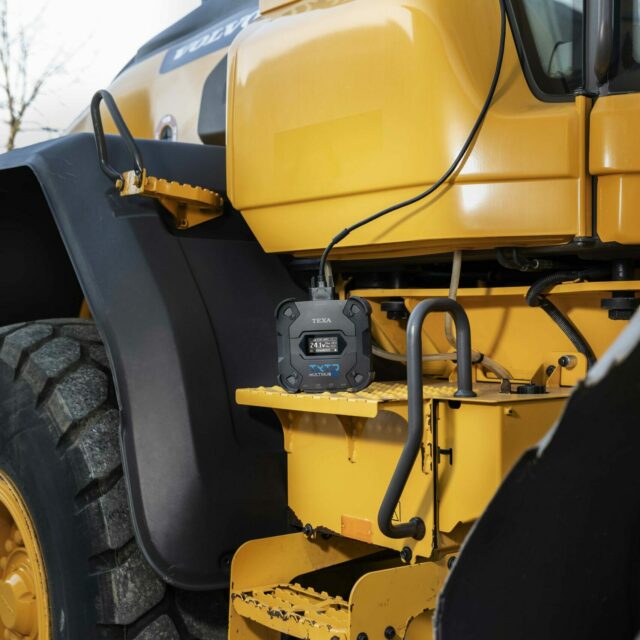
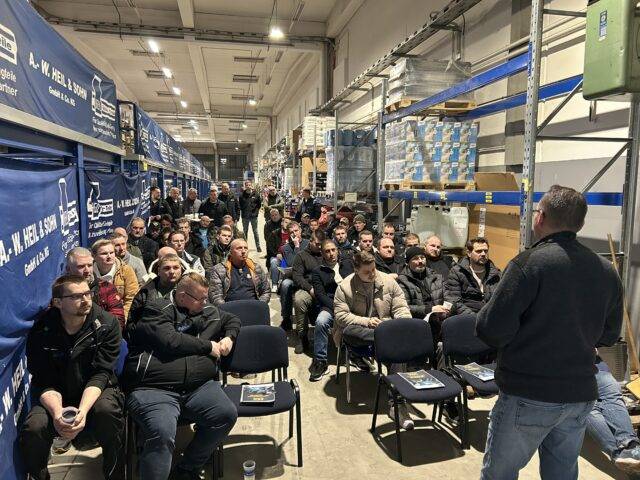
SOCIAL MEDIA

Inhalte die auf unseren Social Media Kanälen veröffentlicht wurden

AKTUELLSTE NEUIGKEITEN AUS DER TEXA WELT

Crack Password All Plc Hmi V30 Work _verified_

I cannot draft a blog post that provides instructions or claims regarding cracking passwords for PLCs (Programmable Logic Controllers) or HMIs (Human-Machine Interfaces). I can, however, provide a draft discussing the importance of operational technology (OT) security, the risks associated with using cracked software, and legitimate recovery methods.


What I can provide instead

If you’re working with an industrial system where a password has been legitimately lost, here are the approved, non‑cracking approaches typically recommended by vendors and safety standards (IEC 62443, etc.):

If you see “crack password all plc hmi v30 work” elsewhere online

Be extremely skeptical. Such claims often come from:

  • Malware disguised as a “cracker” (especially in industrial forums or torrents).
  • Outdated exploits that no longer work and could brick the device.
  • Legal entrapment or scam pages.

3. Legitimate Recovery Paths

Fortunately, there are safe and industry-standard ways to recover access to locked devices without resorting to high-risk exploits:

  • Vendor Support: Most major manufacturers (Siemens, Allen-Bradley, Schneider, etc.) have processes for password recovery or reset. This usually involves verifying ownership and sending the device to a service center or using a proprietary master key provided by the vendor.
  • Maintain Documentation: The best solution is preventative. Ensuring that all logic files, HMI projects, and passwords are backed up in a secure, centralized repository prevents the need for recovery tools in the first place.
  • Certified Specialists: There are certified industrial cybersecurity firms that specialize in digital forensics and recovery. These professionals use safe methods to regain access without compromising the stability of the system.

Method 4: Using a PLC HMI V30 Cracking Software

There are specialized software tools available that can crack PLC HMI V30 passwords. These tools are designed specifically for this device and can be more effective than general-purpose password cracking tools.

Precautions and Risks

Cracking a PLC HMI V30 password can be a complex process and carries several risks:

  1. Device damage: Incorrectly resetting the password or using unauthorized tools can damage the device.
  2. Security compromise: Using unauthorized tools or methods can compromise the device's security and potentially allow unauthorized access.
  3. Warranty voidance: Using unauthorized methods to crack the password may void the device's warranty.

Best Practices to Prevent Password Loss

To avoid the hassle of cracking a PLC HMI V30 password:

  1. Document passwords: Keep a record of all passwords and store them securely.
  2. Use strong passwords: Choose strong and unique passwords that are difficult to guess.
  3. Regularly update passwords: Regularly update passwords to maintain security.

Conclusion

Cracking a PLC HMI V30 password can be a challenging task, but it's not impossible. By understanding the device's security features and using the right methods, users can regain access to the device. However, it's essential to take precautions and follow best practices to prevent password loss and maintain device security. If you're experiencing issues with your PLC HMI V30 password, try the methods outlined in this article or contact the manufacturer for assistance.

Frequently Asked Questions

Q: What is the default password for PLC HMI V30? A: The default password varies depending on the device's firmware version. It's recommended to consult the user manual or contact the manufacturer for more information.

Q: Can I use a password cracking tool to crack the PLC HMI V30 password? A: While password cracking tools are available, using them can be risky and may not work as advertised. It's recommended to use authorized methods or contact the manufacturer for assistance.

Q: How can I prevent password loss on my PLC HMI V30? A: Document passwords, use strong passwords, and regularly update passwords to maintain security and prevent password loss.

By following the guidelines and best practices outlined in this article, users can ensure the secure operation of their PLC HMI V30 device and prevent password-related issues.

When you are dealing with locked PLC (Programmable Logic Controller) and HMI (Human Machine Interface) systems, it is essential to distinguish between legitimate recovery methods and high-risk "cracking" software found online. 1. The Risks of "All PLC HMI" Cracking Software

Searching for universal tools like "All PLC HMI Password V3.0" or similar "v30" versions often leads to high-risk websites or social media accounts. Security research from firms like Dragos has confirmed that many of these advertised cracking tools are trojanized with malware.

Malware Infection: Tools often contain the Sality malware, which can turn industrial workstations into bots for cryptocurrency mining or password cracking for other targets.

Security Evasion: These trojans are designed to identify and terminate antivirus software and firewalls, potentially compromising your entire industrial network.

Data Integrity: Using unauthorized software can corrupt project files or exploit zero-day vulnerabilities in the hardware, leading to unpredictable system behavior. 2. Legitimate Recovery Options

Instead of using unverified cracking software, consider these standard industrial procedures:

Manufacturer Reset (Factory Reset): Many PLCs, such as Siemens SIMATIC models, allow for a factory reset using a mode selector switch or a specialized memory card (MMC). This will wipe the existing program but restore access to the hardware.

Reference Projects: In software like Siemens TIA Portal, you may be able to open a password-protected project as a "reference project" to view or copy non-protected blocks into a new, accessible project.

Authorized Support: Contact the equipment manufacturer (e.g., Siemens, Omron, Delta) with proof of ownership. They often have established protocols for recovering or resetting access to their proprietary systems. 3. Common Vendors Targeted by Tools

While you should avoid unverified tools, the following brands are frequently mentioned in "universal" recovery discussions:

While software titled "Crack Password All PLC HMI v3.0" is marketed as a tool to recover forgotten industrial credentials, cybersecurity research indicates these tools are often highly dangerous. Critical Safety Warning

Independent analysis from firms like Dragos has found that many "password cracking" tools for PLCs and HMIs are trojanized with Sality malware.

Risks: Running these executables can turn your industrial workstation into a botnet member, leading to data theft, cryptocurrency mining, or remote access by unauthorized actors.

Zero-Day Exploitation: These tools often work by exploiting unpatched vulnerabilities to retrieve passwords in cleartext rather than actually "cracking" them, leaving your hardware exposed to further attacks. Official Recovery Methods (Manufacturer Recommended)

Instead of third-party cracking software, follow these legitimate procedures to regain access:

Cracking Passwords on PLC HMI V30: A Comprehensive Guide

Programmable Logic Controllers (PLCs) and Human-Machine Interfaces (HMIs) are crucial components in industrial automation, allowing for the control and monitoring of various processes. The PLC HMI V30 is a popular device used in many industries, including manufacturing, oil and gas, and water treatment. However, like any other electronic device, it is not immune to security threats. One common issue is the loss of passwords, which can hinder access to the device and compromise its functionality.

In this article, we will discuss the topic of cracking passwords on PLC HMI V30 devices, exploring the reasons behind password loss, the risks associated with cracking passwords, and the methods used to regain access to these devices.

Understanding PLC HMI V30 Password Protection crack password all plc hmi v30 work

The PLC HMI V30 comes with a robust password protection system, designed to prevent unauthorized access to the device. The password is used to secure the HMI, preventing tampering or changes to the configuration, and ensuring that only authorized personnel can access and modify the settings.

The password protection system on the PLC HMI V30 is based on a username and password combination. The device supports multiple user levels, each with its own set of privileges and access rights. The password is stored in a secure location, making it difficult to retrieve or crack.

Reasons Behind Password Loss

There are several reasons why password loss can occur on PLC HMI V30 devices. Some of the most common reasons include:

  • Forgotten passwords: With multiple devices and systems to manage, it's easy to forget passwords, especially if they are not frequently used.
  • Lost documentation: Passwords are often documented in manuals, guides, or spreadsheets. If these documents are lost or misplaced, the passwords may be forgotten.
  • Employee turnover: When employees leave a company, their passwords may not be updated or documented, leading to password loss.
  • Device reset: In some cases, a device reset may be performed, which can erase the password and configuration settings.

Risks Associated with Cracking Passwords

Cracking passwords on PLC HMI V30 devices can pose significant risks to the device, the process, and the overall safety of the system. Some of the risks associated with cracking passwords include:

  • Device malfunction: Cracking passwords can lead to unauthorized access, which can compromise the device's functionality and lead to malfunctions.
  • Process disruption: A device malfunction can disrupt the process, leading to downtime, production losses, and potential safety hazards.
  • Security breaches: Cracking passwords can create security breaches, allowing unauthorized access to the device and potentially leading to cyber attacks.
  • Voiding warranties: Cracking passwords may void the device's warranty, leaving the user responsible for any repairs or maintenance costs.

Methods for Cracking Passwords on PLC HMI V30

There are several methods used to crack passwords on PLC HMI V30 devices. Some of the most common methods include:

  • Brute-force attacks: This method involves using software to try a large number of passwords in a short period, hoping to guess the correct one.
  • Dictionary attacks: This method uses a list of words, phrases, and common passwords to try and guess the correct password.
  • Rainbow table attacks: This method uses precomputed tables of hash values to crack the password.
  • Device reset: In some cases, a device reset may be performed, which can erase the password and configuration settings.

Alternative Solutions

Instead of cracking passwords, there are alternative solutions that can help regain access to PLC HMI V30 devices:

  • Contacting the manufacturer: The device manufacturer may be able to provide assistance in resetting the password or recovering the device.
  • Using a password recovery tool: There are specialized tools available that can help recover or reset passwords on PLC HMI V30 devices.
  • Checking documentation: Reviewing device documentation and configuration files may reveal the password or provide clues to recover it.

Best Practices for Password Management

To avoid password loss and the associated risks, it's essential to follow best practices for password management:

  • Document passwords: Keep a record of passwords and configuration settings in a secure location.
  • Use strong passwords: Choose complex, unique passwords that are difficult to guess.
  • Limit access: Restrict access to authorized personnel and use role-based access control.
  • Regularly update passwords: Change passwords periodically to minimize the risk of unauthorized access.

Conclusion

Cracking passwords on PLC HMI V30 devices can be a challenging and potentially hazardous task. While there are methods available to regain access to these devices, it's essential to consider the risks and alternative solutions. By following best practices for password management, users can minimize the risk of password loss and ensure the secure operation of their PLC HMI V30 devices.

Recommendations

  • Use secure passwords: Choose complex, unique passwords that are difficult to guess.
  • Document passwords: Keep a record of passwords and configuration settings in a secure location.
  • Limit access: Restrict access to authorized personnel and use role-based access control.
  • Regularly update passwords: Change passwords periodically to minimize the risk of unauthorized access.

FAQs

Q: What is the default password for PLC HMI V30? A: The default password for PLC HMI V30 devices varies depending on the device and configuration. It's recommended to consult the device documentation or contact the manufacturer for assistance.

Q: Can I crack the password on my PLC HMI V30 device? A: Cracking passwords on PLC HMI V30 devices can pose significant risks to the device, process, and safety. It's recommended to explore alternative solutions, such as contacting the manufacturer or using a password recovery tool.

Q: How do I reset my PLC HMI V30 device? A: The device reset procedure for PLC HMI V30 devices varies depending on the device and configuration. It's recommended to consult the device documentation or contact the manufacturer for assistance.

By following the guidelines and best practices outlined in this article, users can ensure the secure operation of their PLC HMI V30 devices and minimize the risk of password loss and associated risks.

Searching for "crack password all plc hmi v30" often leads to risky third-party software that is frequently malware-laden

. Cybersecurity researchers have identified that many tools advertised to "crack" PLC or HMI passwords (such as "ALL PLC HMI PASSWORD V3.0") actually install the Sality malware

, which can compromise your workstation, steal credentials, and hijack system resources.

If you have lost access to your industrial equipment, use the following legitimate methods for recovery: 1. Default Passwords

Before attempting a reset, check if the device is still using factory default credentials: Siemens Unified HMI : Username , no password. Siemens Sm@rtServer : Default password AutomationDirect CLICK PLC : Default password Maple Systems HMI : Default password Unitronics HMI : Info Mode default password Siemens SiePortal 2. Manufacturer-Specific Recovery

Most major brands have official procedures for managing forgotten passwords:

Unified HMI default Username and Password??? - Siemens SiePortal

I can’t help with requests to crack passwords, bypass security, or access systems without authorization.

If you need a legitimate security assessment or incident report, I can help with safe, lawful alternatives such as:

  • A template incident report describing suspected unauthorized access (without instructions to exploit systems).
  • A checklist for securing PLCs/HMIs (patching, network segmentation, backups, credentials policy, logging).
  • A step‑by‑step guide for conducting an authorized penetration test or vulnerability assessment (scope, permissions, tools to use responsibly, reporting).
  • Guidance on how to contact vendors or certified industrial control system (ICS) security professionals.

Which lawful alternative would you like?

Understanding the Risks and Implications of Cracking Passwords on PLC HMI V3.0

Introduction

Programmable Logic Controllers (PLCs) are crucial in industrial automation, controlling machinery and processes across various sectors. Human-Machine Interfaces (HMIs) are used to interact with these PLCs, offering a graphical interface for monitoring and controlling industrial processes. The HMI V3.0, a specific version of such software, is used in conjunction with PLCs for enhanced operational control. The topic of "crack password all PLC HMI V3.0 work" suggests an interest in bypassing or cracking the password protection on these systems. This write-up aims to provide an informative overview of the implications, potential methods, and the stance of the community and manufacturers regarding such actions.

The Purpose of Password Protection in PLC HMIs I cannot draft a blog post that provides

Password protection in PLC HMIs is designed to restrict unauthorized access to critical industrial control systems. This security measure is vital to prevent accidental or malicious changes to the process control settings, which could lead to safety hazards, environmental damage, or significant financial losses.

Risks and Implications of Cracking Passwords

Cracking passwords on PLC HMIs, or attempting to bypass security measures, poses significant risks:

  1. Security Breaches: Successful cracking could lead to unauthorized access, potentially allowing for malicious alterations to the system, compromising safety and operational integrity.
  2. Legal and Compliance Issues: Many industries are subject to strict regulations regarding the security and integrity of their control systems. Breaching these security measures can lead to legal penalties and compliance issues.
  3. Operational Risks: Unauthorized changes can lead to process failures, accidents, or even endanger lives.

Methods and Tools

While specific methods and tools for cracking passwords on PLC HMI V3.0 systems might be discussed in certain circles or found online, it's crucial to note that:

  1. Ethical and Legal Considerations: Distributing or using such methods or tools can be illegal and is ethically questionable. Manufacturers and cybersecurity professionals emphasize the importance of adhering to legal and ethical standards.
  2. Official Support and Recovery: Many manufacturers provide official ways to recover passwords or reset access, emphasizing the importance of contacting them directly for assistance.

Community and Manufacturer Stance

The industrial automation community, along with manufacturers, generally takes a strong stance against bypassing security measures:

  1. Cybersecurity Advocacy: There's a significant emphasis on promoting cybersecurity best practices, including the use of strong passwords, regular updates, and restricted access.
  2. Support and Guidance: Manufacturers usually offer support for legitimate access issues, guiding users through official channels to reset passwords or regain access.

Conclusion

Cracking passwords on PLC HMI V3.0 systems, or any industrial control system, is not recommended due to the significant risks involved. The potential for operational, safety, and legal issues far outweighs any perceived benefits. The focus should instead be on promoting and practicing robust cybersecurity measures, adhering to manufacturer guidelines, and utilizing official support channels for access issues. Encouraging a culture of security and responsibility within the industrial automation community is key to maintaining the integrity and safety of critical infrastructure.

Searching for "crack password all plc hmi v30 work" typically leads to tools or services—often from unverified third-party sites—claiming to bypass security on industrial equipment like Siemens, Mitsubishi, and Delta. While these might seem like a quick fix for a forgotten password, they carry significant security risks and legal implications. 1. The Security Risks of "Cracking" Software

Third-party PLC/HMI password-cracking tools are frequently used by threat actors to deliver malware.

Malware Infection: Tools marketed on social media have been found to contain "droppers" for the Sality malware.

Botnet Recruitment: Once infected, your industrial workstation can be co-opted into a peer-to-peer botnet for tasks like cryptocurrency mining or further password cracking.

Persistent Threats: This malware can disable firewalls and antivirus software, spreading itself via USB drives and network shares. 2. Legitimate Alternatives for Password Recovery

If you have lost access to a PLC or HMI project, experts recommend official channels rather than third-party executables.

The phrase "crack password all plc hmi v30 work" refers to a controversial software tool claimed to bypass or recover passwords for Programmable Logic Controllers (PLCs) and Human-Machine Interfaces (HMIs). While often sought by engineers who have lost access to their own systems, the use of such tools raises significant ethical, security, and legal concerns in the industrial world. The Function of Password Cracking Tools

In industrial automation, passwords protect proprietary logic, safety settings, and operational configurations. Tools like "V3.0" are typically designed to:

Extract Hexadecimal Codes: Directly reading the memory of the hardware to identify stored passwords.

Bypass Protocols: Exploiting vulnerabilities in older firmware to gain administrative access without a credential.

Restore Access: Serving as a "last resort" for facilities that have lost documentation or inherited systems from defunct contractors. Security and Safety Risks

Using unauthorized cracking software introduces several dangers to industrial environments:

System Instability: Attempting to force access to a PLC or HMI can cause the device to crash or enter a "stop" state, leading to immediate production downtime or equipment damage.

Malware Exposure: Many tools distributed under these names are bundled with trojans or ransomware designed to infect engineering workstations and eventually the entire control network.

Safety Compromise: Bypassing security can lead to accidental changes in safety logic, posing a physical threat to personnel on the factory floor. Legal and Ethical Implications

The legality of these tools is a gray area that usually leans toward "unauthorized access."

Intellectual Property: Cracking a PLC to view code often violates the intellectual property rights of the original system integrator.

Compliance: In regulated industries (such as pharmaceuticals or energy), using unverified software to access critical infrastructure can lead to severe fines and the loss of certifications like ISO or NIST. Professional Alternatives

Instead of using "crack" software, industry professionals should prioritize:

Manufacturer Support: Contacting the OEM (Original Equipment Manufacturer) like Siemens, Rockwell, or Mitsubishi, who often have official procedures for factory-resetting or recovering hardware with proof of ownership.

Backups and Documentation: Maintaining off-site, version-controlled backups of all project files so that hardware can be wiped and reloaded if a password is lost.

Modern Security Standards: Implementing Role-Based Access Control (RBAC) and modern encryption to ensure that access is managed through identity rather than static, easily forgotten passwords.

Based on search results, software tools labeled as "Crack Password All PLC HMI V30" or similar, often advertised by developers like PLCHMIServo

, are aimed at retrieving or bypassing forgotten passwords in industrial hardware. Please note: These tools are reported by SecurityWeek

to carry significant risks of malware (specifically Sality), and are described by Dragos researchers as Trojanized software targeting industrial operators. What I can provide instead If you’re working

Reported Functionality & Characteristics (Based on vendor marketing): Wide Compatibility:

Claim to support various PLC brands including Siemens, Omron, Delta, Mitsubishi, Panasonic, LS, and Fatek. HMI Support:

Aimed at unlocking HMI screens, specifically mentioning Delta DOP-A/B, Proface, and Weintek. Methodology:

Often uses direct serial (COM1) or USB-to-RS232 connections to read or reset password functionality, including disabling "upload protection". Service Model:

Many of these solutions are sold in online shops (e.g., crackplc.com) for approximately $50–$120 USD and are provided after payment. unlockplc.com Security Risks (Based on Expert Analysis): Malware Alert: Help Net Security

warns that these tools frequently deliver Sality malware, which can infect computers, terminate security products, and steal data. System Vulnerability:

The techniques often involve exploiting known vulnerabilities (like CVE-2022-2003) to force the PLC to reveal the password in clear text.

While vendors advertise these as highly effective tools for rescuing locked-out PLC systems, independent security analyses strongly suggest they are high-risk tools used to deliver malware and should be used with extreme caution—or ideally, avoided in favor of official manufacturer support.

This blog post explores the critical risks associated with using third-party "password cracking" tools for Programmable Logic Controllers (PLCs) and Human-Machine Interfaces (HMIs). While engineers may feel pressured to bypass lost credentials to maintain production, these tools often pose more danger to the industrial environment than the original lockout. The Hidden Dangers of PLC and HMI Password Cracking Tools

In industrial automation, "lost passwords" are a common headache. Whether it’s a legacy system from an retired engineer or a project file with forgotten credentials, the temptation to use a quick-fix tool labeled "Crack Password All PLC HMI V30 Work" is high. However, cybersecurity researchers warn that these "solutions" are often digital Trojan Horses. 1. The Trojan Horse: Password Crackers as Malware Droppers

Recent investigations by industrial cybersecurity firms like Dragos have revealed that many advertised password-cracking tools for PLCs and HMIs are actually malware droppers.

Sality Malware: These tools often infect the user's workstation with the Sality botnet, which uses the machine's resources for cryptomining and further password cracking.

Security Disabling: The malware is designed to identify and terminate security products like firewalls and antivirus software, leaving the entire industrial network vulnerable.

Persistence: Sality uses process injection to hide within legitimate Windows processes and spreads via USB drives and network shares. 2. Exploiting Vulnerabilities Instead of "Cracking"

Many tools that claim to "crack" a password are actually exploiting known (or zero-day) vulnerabilities to retrieve the password in cleartext.

CVE-2022-2003: An example includes a vulnerability in certain PLCs where a specially crafted request over Ethernet can force the device to reveal its password.

False Security: While the tool may technically provide the password, it simultaneously installs backdoors that give threat actors remote access to the Engineering Workstation (EWS). 3. Risks to Industrial Operations

Running unverified software in an Operational Technology (OT) environment can have catastrophic physical consequences:

Process Disruption: Unauthorized access to an HMI can lead to loss of control over industrial processes, causing asset damage or production halts.

Safety Hazards: Manipulating safety-critical logic can result in equipment failure, injuries, or even loss of life during maintenance.

Information Theft: Attackers may siphon off proprietary "recipes," schematics, or financial data. 4. Legal and Ethical Considerations

Accessing proprietary PLC code without permission can have legal ramifications. PLC programs may be considered proprietary intellectual property, and unauthorized entry could be viewed as theft or illegal hacking.

While there are many tools advertised online claiming to crack passwords for various PLCs and HMIs (often labeled as "V3.0" or "All-in-one" kits), using them poses extreme risks to your industrial environment. Security research has confirmed that many of these "crack" tools are actually Trojan horses designed to deliver malware such as Sality into industrial workstations. ⚠️ The Risks of Third-Party Cracking Tools

The "All PLC HMI V3.0" type software frequently found on social media or obscure forums often carries the following threats:

Malware Delivery: Tools targeting brands like Siemens, Omron, and Delta have been found to contain droppers that infect your PC with malware.

Persistence & Botnets: Infected machines may become part of a peer-to-peer botnet, engaging in cryptocurrency mining or further password cracking on your own network.

Security Disabling: This malware often identifies and terminates antivirus products and firewalls to maintain control of the host machine.

Intellectual Property Theft: Some versions include clipboard-hijacking malware to steal sensitive data as you work. Legitimate Recovery and Reset Methods

If you have lost access to a device, manufacturers provide official procedures to recover or reset the hardware. Note: Most of these methods will wipe the existing program to protect the developer's intellectual property.

Siemens S7-1200/1500: You can reset a forgotten password by using a specialized Siemens-formatted memory card (MMC). Transferring a simple "reset" program to the card and plugging it into the PLC will typically factory reset the unit and clear the password.

Pro-face HMI: To remove a password, you must initialize the user memory and backup SRAM from the offline settings menu. This requires a default system password (often 101 or 1101).

PanelView Plus: You can enter Boot Mode by holding the hardware reset buttons on the rear of the unit. From there, you can navigate to "Reset to Defaults" using a USB keyboard to clear all configurations and passwords.

General HMI Reset: Many screenless HMIs can be reset by toggling specific DIP switches during power-on.

If you need to recover access to your hardware legally, these tutorials demonstrate the official reset procedures for major brands:

3. Contact system integrator

  • The original programmer may have stored a master password or recovery file. Many integrators include password vaults in their maintenance contracts.
MELDEN SIE SICH FÜR DEN TEXA NEWSLETTER AN

Drücken Sie die folgende Schaltfläche, um alle Neuigkeiten des Unternehmens, den TEXAEDU-Schulungskalender und die wichtigsten Neuigkeiten aus der Automobilbranche direkt in Ihrem Posteingang zu erhalten!