Оператор связи для бизнеса
Безграничные возможности современных телекоммуникаций для развития Вашего бизнеса
Подключиться скачать презентацию
Нам нравится решать сложные задачи. Мы действуем максимально оперативно и гибко в интересах Клиента.
Наша цель - показать, какие безграничные возможности развития бизнеса предоставляют вам современные телекоммуникации.
Подключиться

Мы используем оборудование ведущего мирового вендора CISCO и гарантируем качественные услуги с высоким коэффициентом доступности.


Более 1300 км собственной волоконно-оптической сети в СПб и Лен. области, построенной по кольцевой схеме, что обеспечивает дополнительную надёжность.


Наша главная ценность – это люди. В нашей команде – профессионалы с многолетним опытом работы в телеком-индустрии. Доверьте связь экспертам отрасли!


Мы понимаем, что IT инфраструктура каждого клиента уникальна, поэтому найдём лучшее техническое решение для вас.


Мы обеспечиваем техническую поддержку нашим клиентам круглосуточно. Среднее время ожидания ответа оператора не более одной минуты.


Мы дорожим своей репутацией и выполняем взятые на себя обязательства, гарантируя индивидуальный подход и внимательное отношение к каждому из вас.

















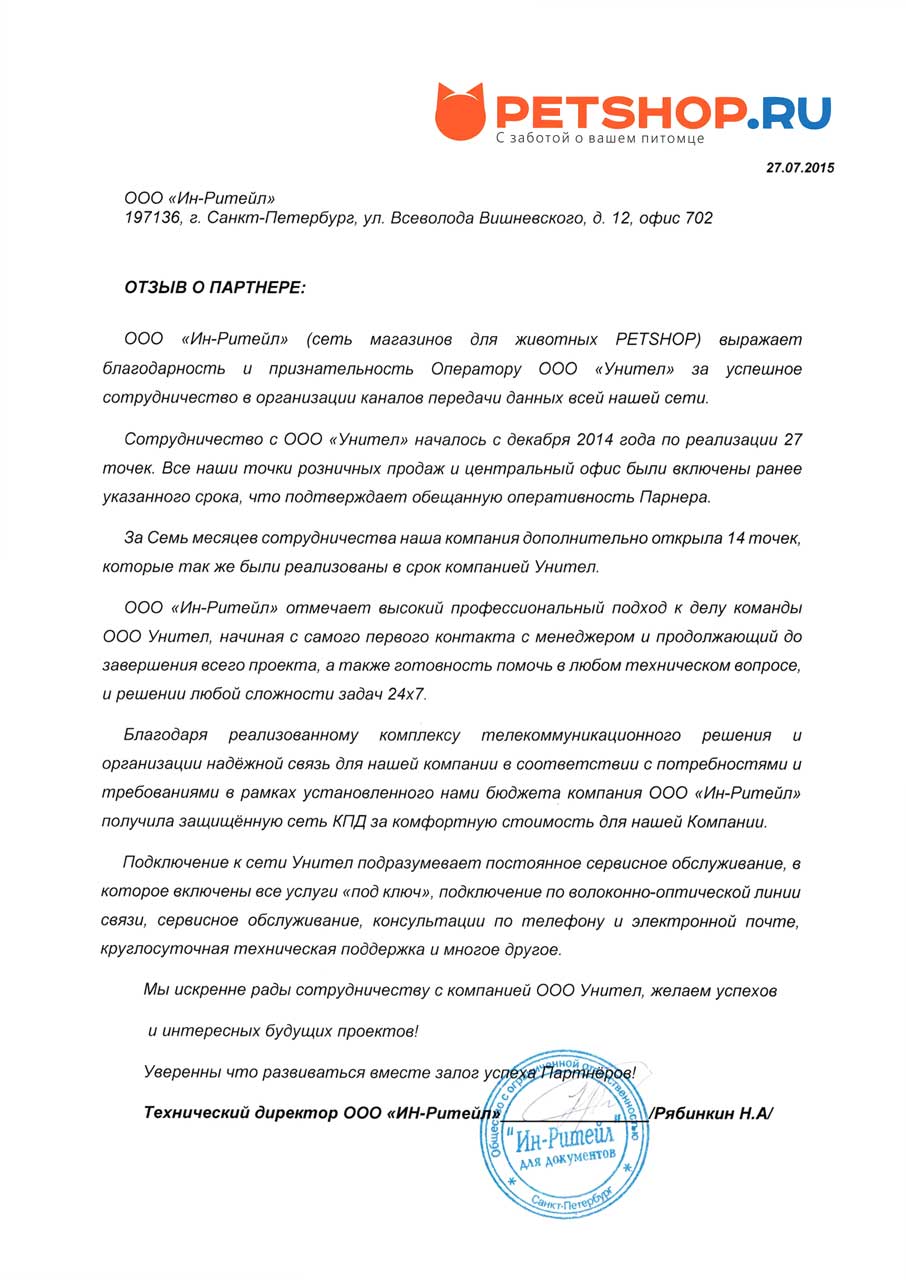
Сотрудничество с ООО «Унител» началось с декабря 2014 года по реализации 27 точек. Все наши точки розничных продаж и центральный офис были включены ранее указанного срока, что подтверждает обещанную оперативность Партнера. За семь месяцев сотрудничества наша компания дополнительно открыла 14 точек, которые также были реализованы в срок компанией Унител.
ООО «Ин-Ритейл» отмечает высокий профессиональный подход к делу команды ООО Унител, начиная с самого первого контакта с менеджером и продолжающийся до завершения всего проекта, а также готовность помочь в любом техническом вопросе и решении любой сложности задач 24х7.
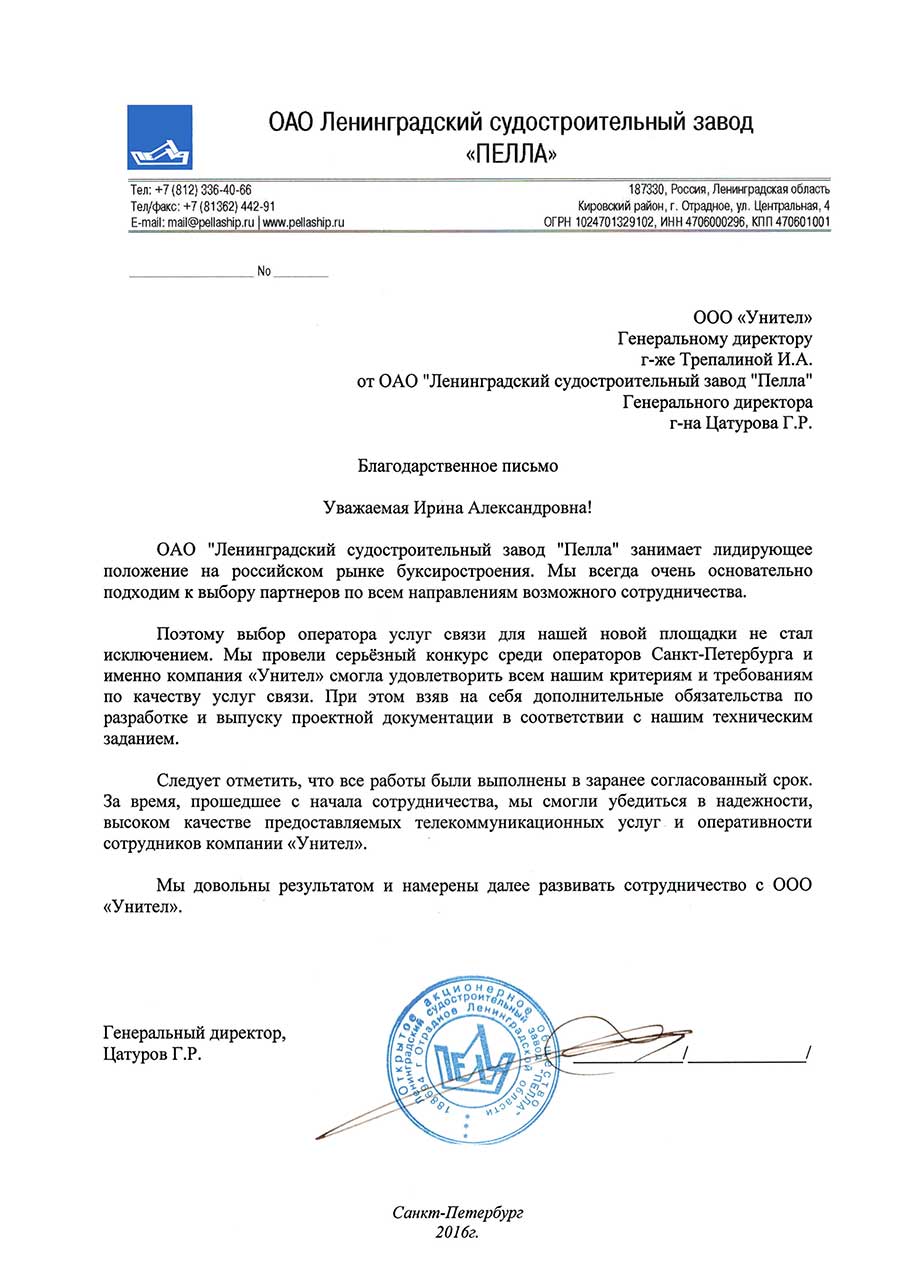
Следует отметить, что все работы были выполнены в заранее согласованный срок. За время, прошедшее с начала сотрудничества, мы смогли убедиться в надежности, высоком качестве предоставляемых телекоммуникационных услуг и оперативности сотрудников компании «Унител».
Мы довольны результатом и намерены далее развивать сотрудничество с ООО.
«Унител».
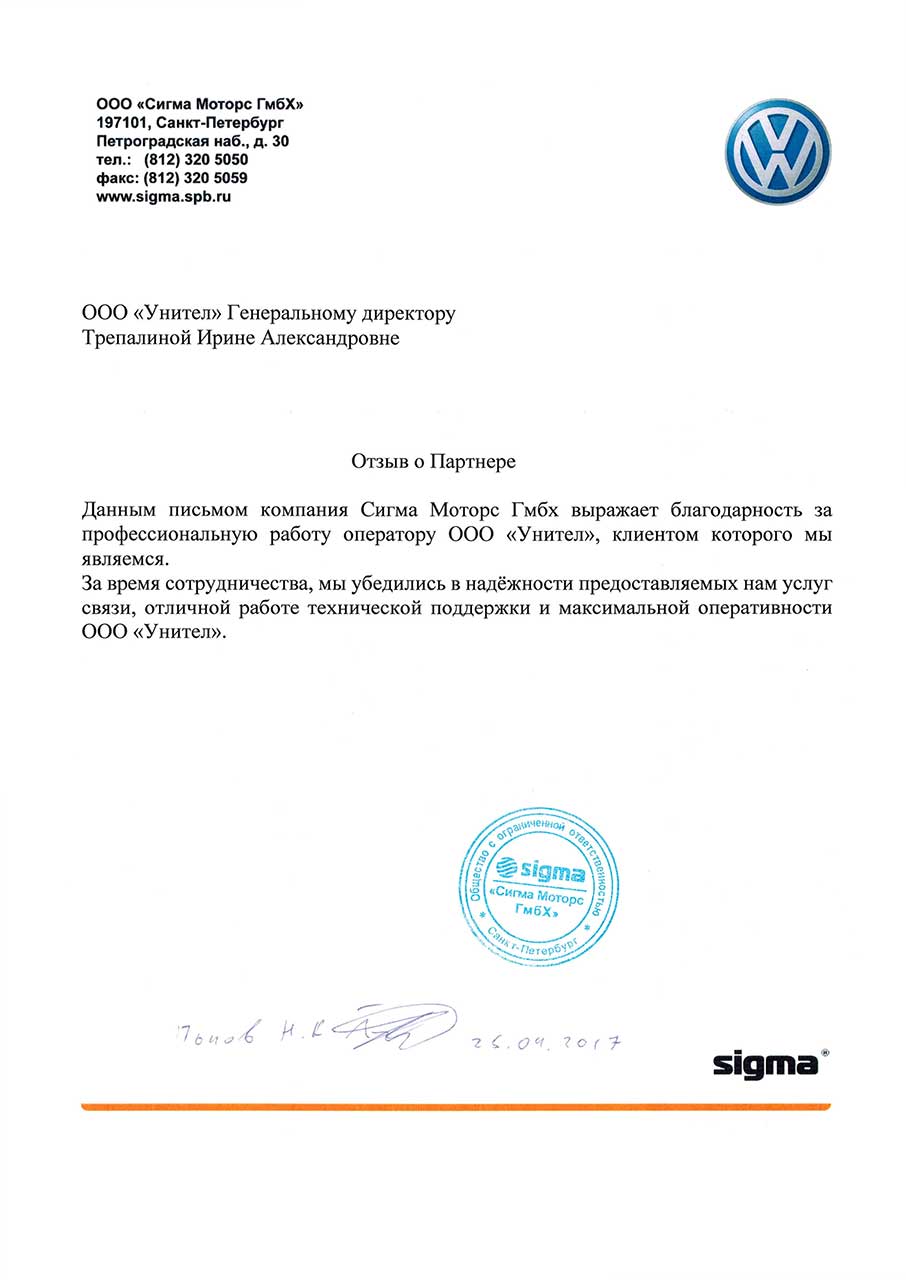
Данным письмом компания Сигма Моторс Гмбх выражает благодарность за профессиональную работу оператору ООО «Унител», клиентом которого мы являемся.
За время сотрудничества, мы убедились в надёжности предоставляемых нам услуг связи, отличной работе технической поддержки и максимальной оперативности 000 «Унител».
The Devastating Reality of Sexual Violence in Conflict Zones: A Look into the Iraq War
The Iraq War, which began in 2003 and lasted for several years, was a conflict marked by intense violence, displacement, and human rights abuses. While the war was widely reported on, one aspect that received relatively little attention was the prevalence of sexual violence, particularly the rape of women by soldiers. In this article, we will explore the issue of sexual violence in the Iraq War, with a focus on the experiences of women who were victimized by soldiers.
The Hidden Epidemic of Sexual Violence
During the Iraq War, reports of sexual violence against women by soldiers began to emerge, although many cases went unreported or were covered up. The victims, often Iraqi women, were subjected to brutal acts of violence, including rape, by soldiers from various countries, including the United States, the United Kingdom, and other coalition forces.
The problem was not limited to the military; however, as militia groups and insurgents also perpetrated sexual violence against women. The chaos and instability of the conflict created an environment in which perpetrators could act with impunity, and victims often had little recourse or support.
A New Era of Reporting: The Emergence of Video Evidence
The widespread use of smartphones and social media has led to an increase in the documentation and reporting of human rights abuses, including sexual violence. In recent years, videos and testimony from survivors have shed light on the issue of soldiers raping women in Iraq during the war.
One notable example is a video that emerged in 2017, showing a group of soldiers allegedly raping an Iraqi woman in a Baghdad suburb. The video sparked widespread outrage and calls for accountability. While the authenticity of the video was not disputed, the incident highlighted the need for greater scrutiny of military conduct during the conflict.
The Impact on Survivors and Their Communities
Survivors of sexual violence during the Iraq War have reported experiencing severe physical and psychological trauma, including post-traumatic stress disorder (PTSD), depression, and anxiety. Many have also faced social stigma and ostracism from their communities, making it difficult for them to access support or seek justice.
In some cases, survivors have reported being forced to undergo "honor killings" or other forms of violence by family members or community leaders who viewed them as having been "dishonored" by the assault. This highlights the need for culturally sensitive support services and protection for survivors.
Accountability and Justice: A Long Road Ahead
In the years since the Iraq War, there have been efforts to investigate and prosecute cases of sexual violence committed by soldiers. However, many challenges remain, including the lack of documentation, the destruction of evidence, and the unwillingness of some governments to acknowledge or pursue accountability.
In 2019, the United States government announced an initiative to provide assistance to survivors of sexual violence in Iraq, including medical and psychological support. While this step was welcomed, many advocates argue that more needs to be done to ensure accountability and justice for victims.
The Way Forward: Preventing Sexual Violence in Conflict Zones
The issue of sexual violence in conflict zones, including the Iraq War, highlights the need for greater awareness, prevention, and accountability. Governments, militaries, and international organizations must prioritize the protection of civilians, particularly women and girls, from sexual violence.
This includes providing support to survivors, ensuring that perpetrators are held accountable, and addressing the root causes of conflict and instability. The international community must also recognize the importance of protecting human rights, including the right to freedom from sexual violence, in all contexts.
Conclusion
The issue of soldiers raping women in Iraq during the war is a painful reminder of the devastating consequences of conflict and the need for greater accountability and protection. While progress has been made in recent years, much work remains to be done to prevent sexual violence, support survivors, and ensure justice.
As we reflect on this critical issue, we must honor the courage and resilience of survivors and their communities, who have spoken out and sought justice in the face of overwhelming challenges. Their stories serve as a powerful reminder of the importance of protecting human rights and preventing sexual violence in all contexts.
Recommendations
Based on this article, the following recommendations are made:
By taking these steps, we can work towards a future where sexual violence is no longer a reality in conflict zones, and where survivors receive the support and justice they deserve.
The incident you're referring to appears to be a serious allegation of sexual assault involving soldiers during the Iraq War. While there have been numerous reports and investigations into various incidents of misconduct by military personnel during the Iraq War, a specific incident that gained significant attention involved American soldiers and an Iraqi woman.
In 2005, a highly publicized case emerged involving the 101st Airborne Division of the U.S. Army. The incident centered on allegations that several American soldiers had raped an Iraqi woman and murdered her and her family. This case became widely known as the "Mahmudiyah rape case" or the "Mahmudiyah killings," named after the Iraqi town, Mahmudiyah, where the incident occurred.
Here's a summary of what was reported:
The Incident: In March 2005, a group of U.S. soldiers from the 101st Airborne Division entered the home of an Iraqi woman, Abeer Qasim Hamza al-Janabi, in the town of Mahmudiyah, south of Baghdad. The soldiers allegedly raped the 14-year-old girl, then shot and killed her, along with her parents and a younger sister.
The Aftermath: The crime was initially covered up by some military personnel. However, when the Iraqi family failed to return home, their relatives began searching for them. The bodies were later found in a canal.
Investigation and Trial: The case came to light and sparked a major scandal. The U.S. military launched an investigation, which led to the identification of several soldiers involved.
Legal Proceedings: Several U.S. soldiers were charged in connection with the crime. The case against them was one of the most severe examples of U.S. military misconduct during the Iraq War.
Impact: The incident severely strained U.S.-Iraq relations and was used by insurgent groups to recruit fighters against the U.S. presence in Iraq.
The Mahmudiyah killings highlighted issues of military conduct, the need for accountability within the military ranks, and the complexities of engaging in a protracted conflict. They also underscored the profound impact such incidents can have on both the local population and the image and effectiveness of military operations.
For those directly affected by such incidents, support and resources are crucial. If you or someone you know has been affected by sexual violence or similar traumatic events, there are resources available:
National Sexual Assault Hotline (in the United States): Operated by RAINN, available 24/7 at 800.656.HOPE (4673) and online.rainn.org y en español.
Support for Veterans and Service Members: Organizations like the U.S. Department of Veterans Affairs offer support, including counseling services. video title soldiers rape in iraq war a woman new
If you're looking for more information or resources related to this topic, I'm here to help.
This article addresses the historical and documented accounts of sexual violence during the Iraq War, specifically focusing on incidents involving soldiers, in response to the search interest surrounding these sensitive events.
Uncovering the Truth: Documented Incidents of Sexual Violence During the Iraq War
The Iraq War remains one of the most scrutinized conflicts in modern history. While much of the discourse focuses on geopolitical strategy and insurgent warfare, a darker, more harrowing aspect of the conflict involves documented cases of sexual violence committed by soldiers. These incidents, often resurfacing through viral keywords or leaked footage, represent a profound violation of human rights and military conduct. The Most Documented Case: The Mahmudiyah Rape and Killings
When searching for accounts of soldiers involved in sexual violence in Iraq, the most prominent and thoroughly documented case is the Mahmudiyah rape and killings of March 2006.
In this horrific event, five U.S. Army soldiers from the 502nd Infantry Regiment were involved in the gang rape and murder of 14-year-old Iraqi girl Abeer Qassim Hamza al-Janabi. The soldiers also murdered her parents and her younger sister to eliminate witnesses. Legal and Social Repercussions
The investigation led to the conviction of all involved parties. Steven Dale Green, identified as the ringleader, received multiple life sentences and later died by suicide in prison. This case became a flashpoint for anti-war sentiment and highlighted the severe psychological toll of the war on both the occupied population and the occupying forces. The Role of "Leaked" Media and Modern Searches
The specific keyword "video title soldiers rape in iraq war a woman new" often refers to the lingering public interest in seeing primary source evidence or "new" revelations about these historical crimes.
Whistleblower Reports: Many details of these crimes surfaced not through official channels initially, but through whistleblowers and investigative journalism (such as reports by The Nation and The New Yorker).
The Impact of Digital Archives: In the digital age, archival footage and court-martial documents frequently resurface, leading users to believe "new" information has been released, when in fact, it is a continuation of a decades-long effort to achieve transparency. Systematic Issues and Reporting Barriers
Human rights organizations, including Human Rights Watch and Amnesty International, have noted that sexual violence in conflict zones is often underreported. In the context of the Iraq War, several factors contributed to this:
Cultural Stigma: Victims often feared "honor killings" or social ostracization if they reported sexual assault.
Lack of Accountability: During the height of the insurgency, the breakdown of the Iraqi legal system made it nearly impossible for civilians to seek justice against foreign military personnel.
Military Secrecy: Initially, some units attempted to cover up these crimes, classifying the deaths of civilians as insurgent-related casualties. Ethical Consumption of Information
When researching these sensitive topics, it is vital to distinguish between journalistic documentation and exploitative media. Documentaries and investigative articles aim to provide justice for victims and prevent future atrocities, whereas unverified "viral" videos often lack context and can infringe upon the dignity of those affected. Conclusion: Lessons from the Past
The documented cases of rape during the Iraq War serve as a grim reminder of the necessity for strict military oversight and the protection of civilians in war zones. While these events occurred years ago, the search for truth continues to resonate as society grapples with the long-term impact of the war on Iraqi society and the moral integrity of military institutions.
The video title "Soldiers Rape in Iraq War a Woman New" serves as a grim entry point into a discussion on the intersection of military occupation, gender-based violence, and the digital consumption of trauma. While the Iraq War is often analyzed through the lens of geopolitics or insurgency, the specific mention of sexual violence highlights the "shadow war" fought on the bodies of civilians—a reality that is often sensationalized by the very internet algorithms that archive it. The Weaponization of Sexual Violence
In the context of the Iraq War, sexual violence was not merely a byproduct of conflict but often a tool of psychological warfare and systemic failure. High-profile cases, such as the 11th Armored Cavalry Regiment’s involvement in the Mahmudiyah rape and killings in 2006, demonstrated how a breakdown in military discipline and a culture of dehumanization can lead to atrocities [1, 3]. For the victims, the violence is a double-trauma: first from the act itself, and second from a conservative societal structure where such victimization often leads to honor killings or lifelong social ostracization [2, 5]. The Digital Archive of Trauma
The specific phrasing of the title—likely a "new" upload or a re-circulated clip—points to a disturbing trend in how modern society consumes war. When atrocities are uploaded with clickbait-style titles, the victim’s suffering is stripped of its political and human context, becoming a digital commodity. This "spectacle of violence" can inadvertently desensitize the public, turning a war crime into a searchable "video" rather than a call for justice or systemic reform [4, 6]. Institutional Responsibility and Silence
The existence of such footage also brings to light the historical difficulty of prosecuting sexual violence in a theater of war. For decades, "collateral damage" was a term used to sanitize the lived experiences of Iraqi women. While the U.S. military has made strides in reforming the Uniform Code of Military Justice (UCMJ) to better address these crimes, the legacy of the Iraq War remains a testament to the fact that without strict oversight and cultural change within military units, the most vulnerable populations remain at risk [3, 7]. Conclusion
A video title like the one provided is more than a search query; it is a digital artifact of a profound human rights failure. To look at this issue critically is to move beyond the shock value of the footage and instead demand a reckoning with how military power is exercised. It requires us to acknowledge that the "peace" following a conflict is never truly achieved until there is accountability for the gendered violence that occurred under the cover of war.
Report: Allegations of Soldier Rape in Iraq War
Introduction
The Iraq War, which began in 2003 and lasted for several years, was a conflict that involved the United States and its allies against Iraq. The war was marked by widespread violence, human rights abuses, and allegations of misconduct by soldiers. One of the most disturbing allegations to emerge from the conflict was that of soldiers raping women in Iraq.
Background
There were numerous reports of soldiers committing human rights abuses, including rape, during the Iraq War. These abuses were often committed against Iraqi civilians, including women and children. The allegations of rape and other forms of violence against women were particularly disturbing, as they highlighted the vulnerability of women in conflict zones.
Specific Allegations
There were several specific allegations of soldiers raping women in Iraq during the war. One of the most notable cases involved a female Iraqi interpreter who alleged that she was raped by American soldiers in 2004. The interpreter, who was working for the U.S. military at the time, claimed that she was forced to have sex with a group of soldiers in a vehicle.
Another case involved a 14-year-old Iraqi girl who was allegedly raped by U.S. soldiers in 2005. The girl, who was taken from her home by American forces, claimed that she was subjected to repeated rapes over several days.
Investigation and Prosecution
The U.S. military launched investigations into several allegations of rape and other forms of violence against women in Iraq. In some cases, soldiers were prosecuted and convicted of crimes related to the abuse.
For example, in 2005, a U.S. soldier was convicted of raping an Iraqi woman and murdering her and her family. The soldier was sentenced to life in prison.
Impact on Victims and Community
The allegations of rape and other forms of violence against women in Iraq had a profound impact on the victims and their communities. Many women who were subjected to violence experienced long-term psychological trauma, including depression, anxiety, and post-traumatic stress disorder (PTSD). The Devastating Reality of Sexual Violence in Conflict
The allegations also damaged the reputation of the U.S. military and strained relations between the U.S. and Iraq.
Conclusion
The allegations of soldiers raping women in Iraq during the Iraq War were a disturbing reminder of the human cost of conflict. The abuse of women and girls in conflict zones is a serious violation of human rights, and it is essential that those responsible are held accountable.
The U.S. military and the international community have a responsibility to protect civilians, including women and girls, from violence and abuse. This includes ensuring that soldiers who commit crimes are prosecuted and punished, and that victims receive the support and services they need to recover from their experiences.
Recommendations
By taking these steps, we can help prevent violence against women and girls in conflict zones and ensure that those responsible are held accountable.
The phrase "survivor stories and awareness campaigns" can be related to various contexts, but it generally refers to efforts aimed at raising awareness about specific issues, often sensitive or critical in nature, through the sharing of personal experiences by survivors. These campaigns can be crucial in educating the public, promoting empathy, and encouraging action or support for affected individuals or communities. Here are some key aspects and examples:
In the landscape of social change, data points out problems, but stories move people to solve them. At the intersection of raw human experience and strategic advocacy lies one of the most powerful tools for change: the survivor story.
Whether the cause is domestic violence, cancer, human trafficking, natural disasters, or mental health struggles, survivor narratives have transformed how the world understands—and responds to—crisis.
In summary, survivor stories and awareness campaigns are powerful tools for education, empathy-building, and mobilization. When executed with sensitivity and respect, they can have a profound impact on public discourse and policy.
Survivor storytelling is a powerful tool used across humanitarian, medical, and social justice sectors to foster empathy, drive policy change, and validate individual experiences. Modern reporting and awareness efforts emphasize ethical narrative creation to ensure that sharing trauma leads to empowerment rather than re-traumatization. Recent Survivor Awareness Campaigns (2025–2026)
Survivor stories have become a cornerstone of modern awareness campaigns, shifting the focus from abstract data to humanized, relatable experiences . In 2026, campaigns are increasingly moving toward narrative multiplicity
, where organizations act as "hosts" for diverse survivor voices rather than controllers of a singular brand story. The Power of Survivor Narratives
Personal stories serve as a primary tool for humanizing complex issues and driving social change. Emotional Connection
: Narratives ground abstract concepts—like human trafficking or chronic illness—in individual experiences, strengthening the audience's emotional tie to the cause. Persuasive Impact
: Research shows that first-person ("I") perspectives are more effective than third-person accounts, as they increase audience identification and perceived susceptibility to the issue. Empowerment and Healing
: Sharing stories can be a powerful therapeutic tool for survivors, helping them find hope, gain control over past traumas, and feel less alone. Key Themes in Awareness Campaigns (2025–2026)
Current campaigns focus on collective action, resilience, and specific systemic changes.
Survivor Stories | Survivor Advocates for Empowerment (SAFE)
Tell me which option you want (I’ll assume option 2 if you don’t choose) and whether the tone should be investigative, educational, advocacy, or editorial. Also indicate target length (e.g., 600–800 words, 1200+), and whether to include content warnings and resources for survivors.
The video titled "soldiers rape in iraq war a woman new" likely refers to the resurfacing of archival footage or recent viral clips documenting historical atrocities from the Iraq War. Specifically, social media platforms have recently seen a resurgence of content related to the 2006 Mahmudiyah rape and murders involving 14-year-old Abeer Qassim al-Janabi. Context of the Video
Viral Resurgence: A video recently went viral on social media platforms featuring US soldiers discussing their intentions toward Iraqi women, which human rights groups like the Geneva International Centre for Justice (GICJ) have used to highlight systemic harassment and violence during the occupation.
The Mahmudiyah Case: The most prominent historical incident linked to such titles is the gang rape and murder of Abeer Qassim al-Janabi and her family by five US soldiers in March 2006.
Historical "Revenge" Videos: In July 2006, insurgent groups released a graphic video claiming to show the mutilated bodies of two US soldiers killed in "revenge" for the rape of al-Janabi. Key Details of the Mahmudiyah Case Video - Facebook
The report regarding a video with a title like "soldiers rape in iraq war a woman new" most likely refers to historical accounts of the Mahmudiyah rape and killings from 2006, which remain the subject of intense media scrutiny and recent anniversary retrospectives as of early 2026. Key Case Details: Mahmudiyah Killings (2006)
This case is often what surfaces in online searches due to its graphic nature and high-profile legal proceedings.
The Incident: On March 12, 2006, five U.S. soldiers from the 101st Airborne Division—led by Steven Dale Green—targeted the al-Janabi family home south of Baghdad.
The Victims: The soldiers gang-raped 14-year-old Abeer Qassim Hamza al-Janabi and subsequently murdered her, along with her mother, father, and 6-year-old sister. They then set fire to Abeer's body and the house to cover up the crime. Sentencing:
Steven Green: Tried as a civilian after being discharged; received five consecutive life sentences. He was found dead in prison in 2014.
Accomplices: Sgt. Paul Cortez (100 years), Spc. James Barker (90 years), and Pfc. Jesse Spielman (110 years) all received lengthy military prison sentences.
Pfc. Bryan Howard: Sentenced to 27 months for conspiracy and failing to report the crime. Broader Context of Abuse Allegations
While the Mahmudiyah case is the most prominent, other major reports of sexual violence and abuse by soldiers during the Iraq War include:
Survivor stories are the heartbeat of awareness campaigns, transforming abstract statistics into deeply personal, relatable narratives that drive empathy and social change
. By humanizing issues—ranging from cancer to gender-based violence—these campaigns dismantle stigmas and inspire collective action. Tanager Place The Strategic Role of Storytelling By taking these steps, we can work towards
Effective awareness campaigns use survivor narratives to achieve specific psychological and social objectives: Humanizing Statistics
: Personal stories put a "human face" on data, making complex issues like disability or disease tangible and relatable. Dismantling Stigma : Sharing survival experiences, such as the
movement, chips away at harmful myths and victim-blaming narratives. Influencing Policy
: Policymakers are often more moved by personal testimony than by raw data, leading to survivor-centered legislation. Fostering Empathy
: Research shows that listening to character-driven stories increases oxytocin synthesis, enhancing empathy and motivating cooperation. PubMed Central (PMC) (.gov) Notable Campaign Examples
Campaigns often leverage innovative formats to amplify survivor voices:
Leveraging Stories to Promote Health and Prevent Cancer - PMC 5 Jul 2022 —
Several high-profile cases and reports documented sexual violence by soldiers during the Iraq War. These incidents often involved both Iraqi civilians and female service members, leading to significant legal and military repercussions. The Mahmudiyah Rape and Murders
The most widely reported incident involving Iraqi civilians was the Mahmudiyah rape and murders in March 2006.
Perpetrators: Five U.S. Army soldiers from the 101st Airborne Division.
Victim: Abeer Qassim Hamza al-Janabi, a 14-year-old Iraqi girl.
Incident: Soldiers gang-raped al-Janabi and murdered her, along with her parents and 6-year-old sister, before attempting to burn the bodies to hide the evidence.
Outcome: Several soldiers, including Steven Dale Green, Paul Cortez, and James Barker, were convicted and sentenced to life in prison. The case was later dramatized in the 2007 film Redacted. Abu Ghraib Prison Abuse
Sexual violence was a component of the Abu Ghraib torture and prisoner abuse scandal.
Documentation: Reports and unreleased photographs documented instances where U.S. soldiers and interrogators allegedly raped and sexually assaulted Iraqi prisoners.
Admission: Senior U.S. officials eventually admitted that instances of rape had occurred at the facility. Internal Military Sexual Assault
Reports also highlighted a high frequency of sexual assault against female U.S. soldiers by their own fellow service members during the conflict.
For generations, mental health campaigns focused on clinical definitions. The shift began when public figures and ordinary people started sharing "lived experience" stories. Campaigns like "The Check-In" (Australia) and "NotOK" (digital app) center on survivors of depression, anxiety, and suicidal ideation describing their darkest moments and their pathways to stability.
The impact is measurable. In regions with active survivor-led mental health campaigns, help-seeking behavior among young men—traditionally the least likely to seek support—has increased by over 30%. The story of a veteran with PTSD or a teenager with an eating disorder normalizes the struggle and legitimizes the need for care.
Awareness campaigns have a single goal: to turn passive knowledge into active change. No medium is more efficient at this transformation than the authentic survivor story. When a person says, "This happened to me, and I am still here," they do more than inform. They grant permission for others to speak, they challenge bystanders to act, and they force institutions to listen.
However, with this power comes profound responsibility. Survivor stories are not content to be mined; they are gifts to be honored. The most successful campaigns of the next decade will not be those with the biggest budgets or the flashiest graphics, but those that create the safest, most respectful containers for survivors to share their truth. Because in the end, a story does not just raise awareness—it raises the possibility of a different future.
If you or someone you know is a survivor of trauma and needs support, contact your local crisis helpline or mental health service. Your story matters, and you deserve to tell it on your own terms.
For a video feature based on the Iraq War incidents involving soldiers and sexual assault, you should focus on the high-profile and documented cases that have shaped the legal and social conversation surrounding war crimes and gender-based violence. Key Features and Documented Cases
The Mahmudiyah Rape and Murders (2006): This is one of the most prominent cases. It involved former U.S. Army soldier Steven Green and four other members of the 101st Airborne Division who were charged with the rape and murder of Abeer Qasim Hamza al-Janabi, a 14-year-old Iraqi girl, and the murder of her family.
Outcome: Green was sentenced to five life terms and was later found dead in his cell in 2014.
Website: For historical legal archives, see the DVIDS news release.
Systemic Gender-Based Violence in Conflict: Features can explore the broader context of how sexual violence was used as a "weapon of war" during the conflict, affecting women and girls aged 16 to 40 who were often arrested and detained.
Human Rights Reports: The Geneva International Centre for Justice (GICJ) has documented thousands of "disappeared" women and calls for military accountability.
Sectarian Tensions and Internal Forces: Beyond foreign troops, reports have highlighted sexual assault allegations against Iraqi national security forces, which heightened sectarian tensions between Sunni and Shiite communities.
Detailed Analysis: Organizations like Feminist Majority Foundation cover these internal dynamics and the "pay-the-price" reality for women in war zones. Current Advocacy and Legal Landscape (as of April 2026)
Ongoing Activism: The recent assassination of prominent women's rights activist Yanar Mohammed in March 2026 highlights the ongoing danger faced by those advocating for survivors of sexual violence in Iraq.
New Documentation Guidelines: Iraq is currently advancing sexual assault documentation through new guidelines to address the lack of official tracking and the prevailing culture of victim-blaming.
Reparations and Laws: Discussions continue regarding the Yazidi Survivors Law and its potential expansion to include all survivors of conflict-related sexual violence in Iraq.









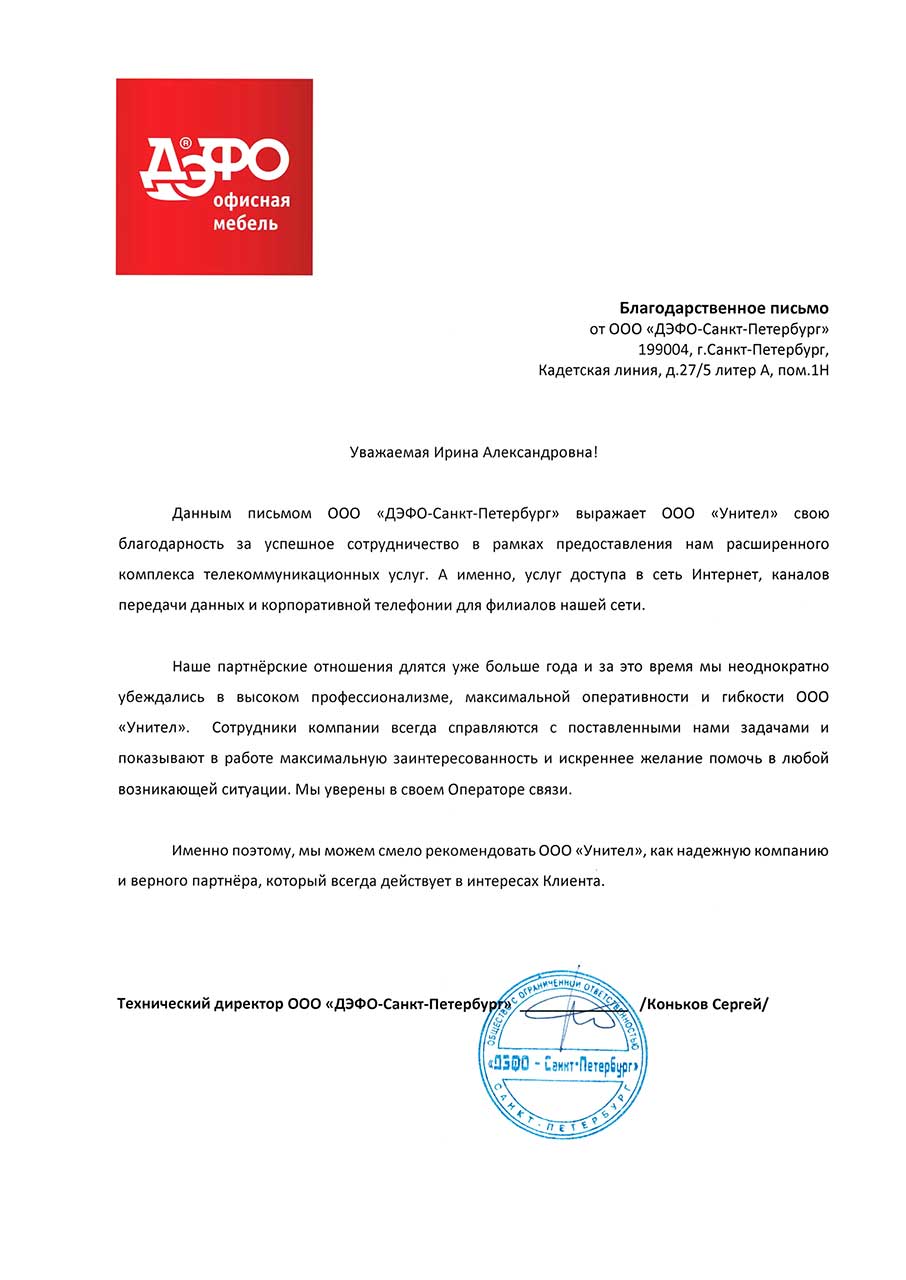
Наши партнерские отношения длятся уже больше года, и за это время мы неоднократно убеждались в высоком профессионализме, максимальной оперативности и гибкости ООО «Унител». Сотрудники компании всегда справляются с поставленными нами задачами и показывают в работе максимальную заинтересованность и искреннее желание помочь в любой возникающей ситуации. Мы уверены в своем операторе связи. Именно поэтому мы можем рекомендовать ООО «Унител» как надежную компанию и верного партнера, который всегда действует в интересах клиента.